


How to improve the heat resistance and corrosion resistance of water heater connectors in long-term high-temperature water flow environments through material selection?
Release Time : 2026-03-10
In a household hot water supply system, the water heater connector is a crucial component connecting the water heater to the water supply pipes, and its performance directly affects the safety and stability of the entire system. Because the water heater continuously supplies high-temperature water during operation, the connector needs to be exposed to a high-temperature, humid, and even mineral-containing water environment for extended periods. If the material's heat resistance or corrosion resistance is insufficient, problems such as aging, cracking, or corrosion may occur, affecting its service life and increasing the risk of leaks.
1. Using High-Temperature Resistant Metal Materials to Improve Structural Stability
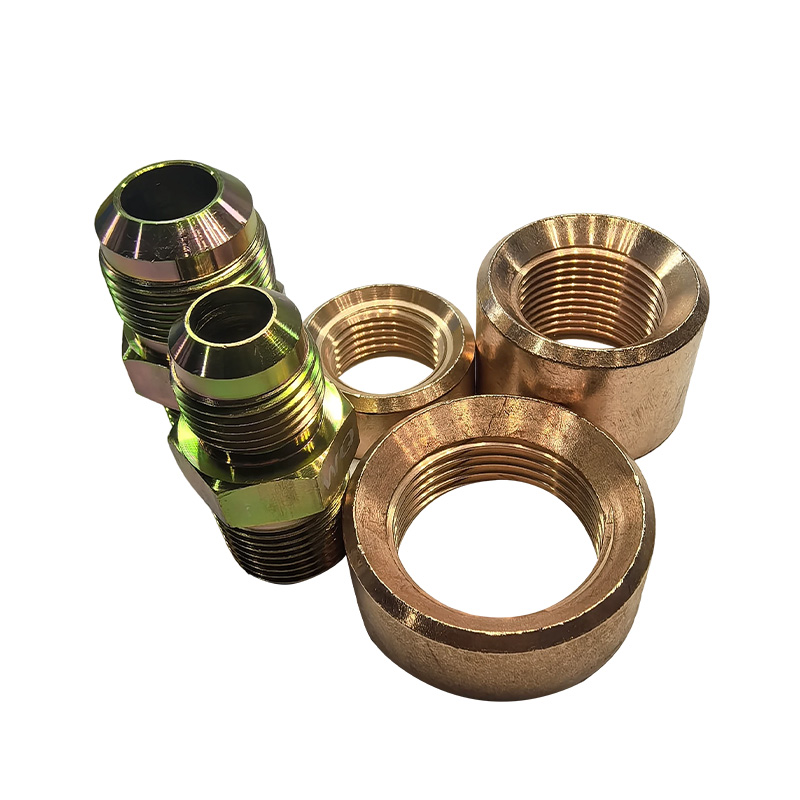
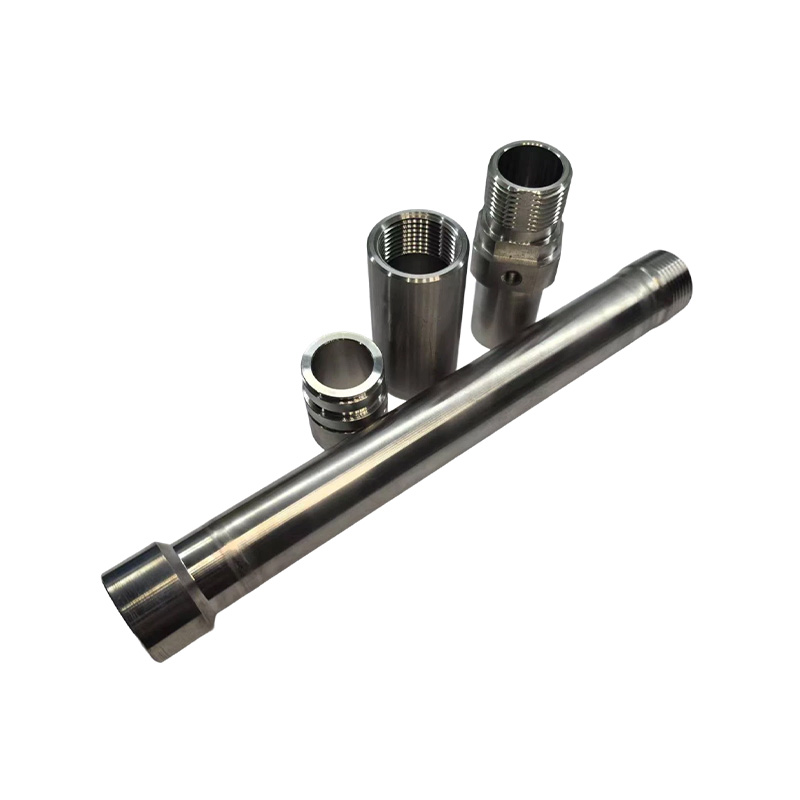
High-temperature resistant metal materials are a common choice in the manufacture of water heater connectors. For example, brass or stainless steel have excellent heat resistance and high mechanical strength, enabling them to maintain a stable structure in long-term high-temperature water flow environments. These materials are not prone to deformation or performance degradation under high temperatures, thus ensuring that the connector maintains good connection strength during prolonged use. At the same time, the stability of metal materials can also withstand high water pressure, providing reliable protection for the water supply system.
2. Extend Service Life with Corrosion-Resistant Alloy Materials
Water heater connectors are in constant contact with flowing water, which may contain minerals, dissolved oxygen, and other components that can easily cause metal corrosion. To improve corrosion resistance, alloy materials with good corrosion resistance can be selected. For example, some high-quality copper alloys or stainless steel materials can effectively resist the corrosive effects of impurities in the water, thereby reducing oxidation or rust on the connector surface. Using corrosion-resistant materials not only extends the service life of the connector but also maintains the hygiene and safety of the water system.
3. Enhance Heat Resistance with High-Performance Engineering Plastics
In addition to metal materials, some high-performance engineering plastics are also used in the manufacture of water heater connectors. For example, high-temperature resistant plastics have good heat stability and corrosion resistance, maintaining a stable structure even in high-temperature water environments. Engineering plastics are typically lightweight and have good insulation properties, while also being less susceptible to corrosion due to water quality. This material provides good durability and reliability in some connection components.
4. Improve Corrosion Resistance with Surface Treatment Processes
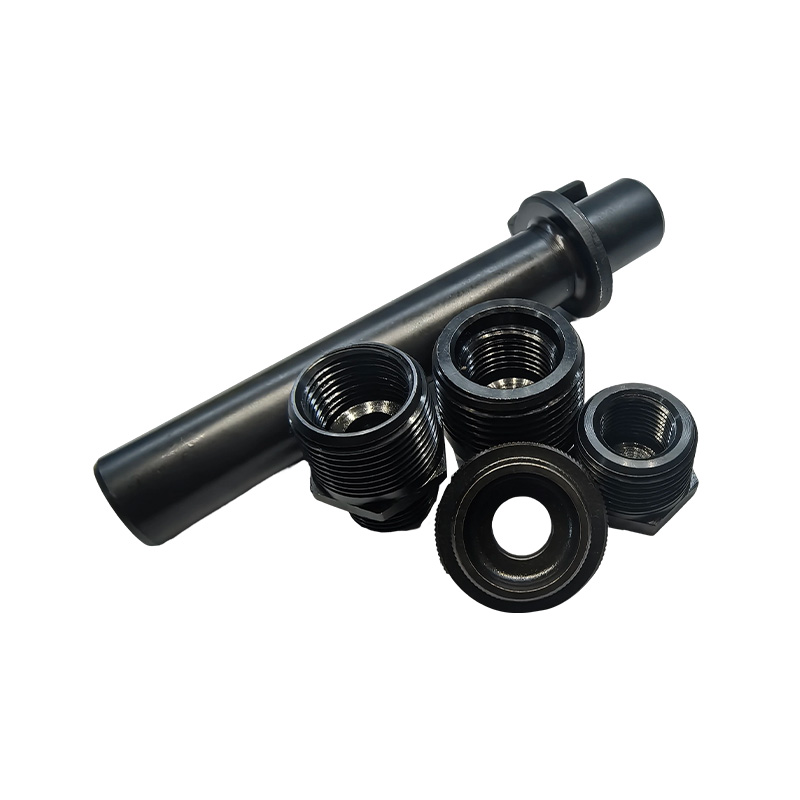
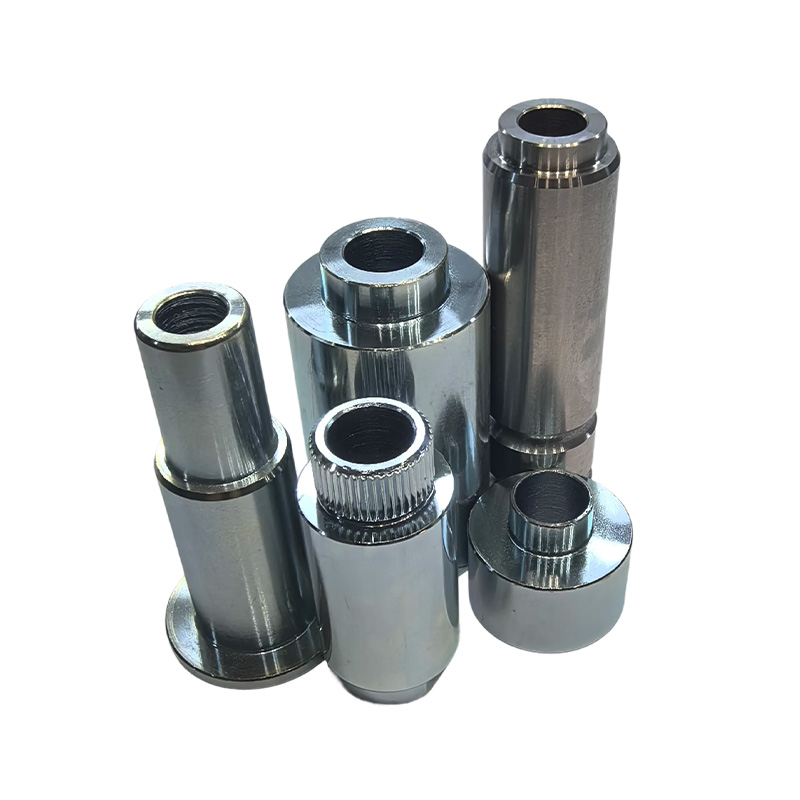
In addition to material selection, surface treatment processes can further improve the corrosion resistance of water heater connectors. For example, electroplating, nickel plating, or anti-corrosion coatings can form a protective layer on the metal surface, reducing the direct erosion of the material by moisture and air. This protective layer not only enhances corrosion resistance but also improves the surface finish of the connector, making the product more durable and aesthetically pleasing.
5. Comprehensive Material Design Enhances Overall Performance
In practical applications, water heater connectors often utilize a combination of multiple materials to improve overall performance. For example, the metal main structure provides strength and heat resistance, while the sealing parts use high-temperature resistant rubber or engineering plastics to ensure a good seal. This comprehensive material design fully leverages the advantages of different materials, allowing the connector to maintain stable operation in high-temperature water flow environments.
To maintain good heat and corrosion resistance in long-term high-temperature water flow environments, water heater connectors require optimization in both material selection and structural design. By selecting high-temperature resistant metals, corrosion-resistant alloys, and high-performance engineering plastics, combined with effective surface treatment processes, the durability and reliability of the connector can be significantly improved.
1. Using High-Temperature Resistant Metal Materials to Improve Structural Stability
High-temperature resistant metal materials are a common choice in the manufacture of water heater connectors. For example, brass or stainless steel have excellent heat resistance and high mechanical strength, enabling them to maintain a stable structure in long-term high-temperature water flow environments. These materials are not prone to deformation or performance degradation under high temperatures, thus ensuring that the connector maintains good connection strength during prolonged use. At the same time, the stability of metal materials can also withstand high water pressure, providing reliable protection for the water supply system.
2. Extend Service Life with Corrosion-Resistant Alloy Materials
Water heater connectors are in constant contact with flowing water, which may contain minerals, dissolved oxygen, and other components that can easily cause metal corrosion. To improve corrosion resistance, alloy materials with good corrosion resistance can be selected. For example, some high-quality copper alloys or stainless steel materials can effectively resist the corrosive effects of impurities in the water, thereby reducing oxidation or rust on the connector surface. Using corrosion-resistant materials not only extends the service life of the connector but also maintains the hygiene and safety of the water system.
3. Enhance Heat Resistance with High-Performance Engineering Plastics
In addition to metal materials, some high-performance engineering plastics are also used in the manufacture of water heater connectors. For example, high-temperature resistant plastics have good heat stability and corrosion resistance, maintaining a stable structure even in high-temperature water environments. Engineering plastics are typically lightweight and have good insulation properties, while also being less susceptible to corrosion due to water quality. This material provides good durability and reliability in some connection components.
4. Improve Corrosion Resistance with Surface Treatment Processes
In addition to material selection, surface treatment processes can further improve the corrosion resistance of water heater connectors. For example, electroplating, nickel plating, or anti-corrosion coatings can form a protective layer on the metal surface, reducing the direct erosion of the material by moisture and air. This protective layer not only enhances corrosion resistance but also improves the surface finish of the connector, making the product more durable and aesthetically pleasing.
5. Comprehensive Material Design Enhances Overall Performance
In practical applications, water heater connectors often utilize a combination of multiple materials to improve overall performance. For example, the metal main structure provides strength and heat resistance, while the sealing parts use high-temperature resistant rubber or engineering plastics to ensure a good seal. This comprehensive material design fully leverages the advantages of different materials, allowing the connector to maintain stable operation in high-temperature water flow environments.
To maintain good heat and corrosion resistance in long-term high-temperature water flow environments, water heater connectors require optimization in both material selection and structural design. By selecting high-temperature resistant metals, corrosion-resistant alloys, and high-performance engineering plastics, combined with effective surface treatment processes, the durability and reliability of the connector can be significantly improved.