


How do galvanized connectors achieve long-lasting corrosion protection for water heater fittings and tower crane shafts using a multi-layer electroplating process?
Release Time : 2026-04-20
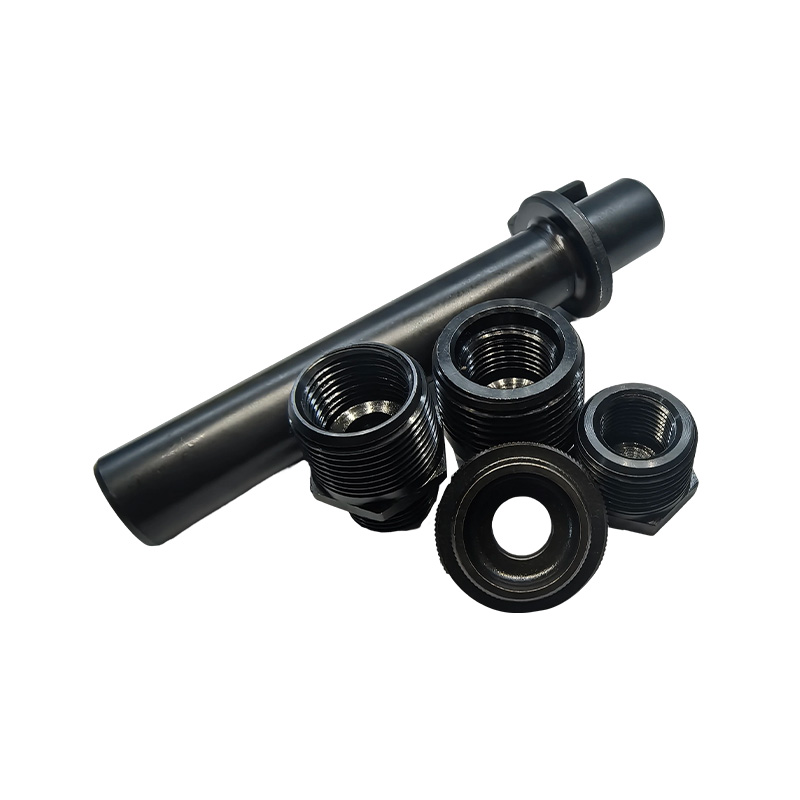
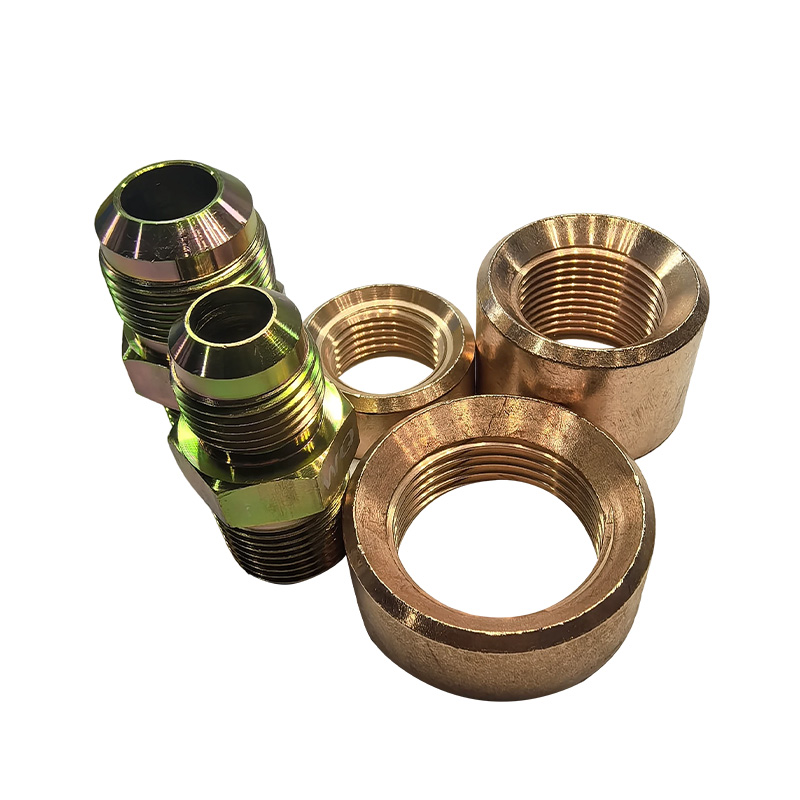
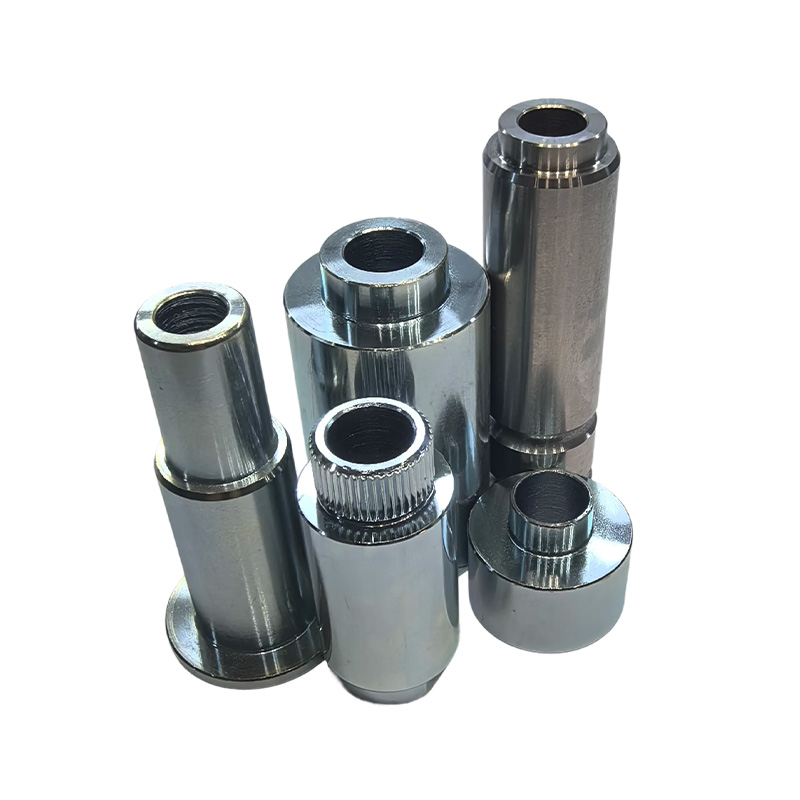
At the boundary between residential kitchens and industrial sites, connectors act as invisible links, bearing the transmission of fluids, gas, or mechanical force while resisting the corrosive effects of harsh environments such as humidity, salt spray, and high temperatures. The galvanized connector series utilizes a multi-layer electroplating process to build a dense protective barrier on the surfaces of key components such as water heater fittings, gas appliance fittings, and tower crane shafts. Through the "sacrificial anode" effect of the zinc layer and the synergistic effect of composite plating layers such as nickel and chromium, it endows various substrates, including iron and stainless steel products, with corrosion resistance exceeding that of the materials themselves. While ensuring connection reliability, it significantly extends the service life of equipment, becoming a universal corrosion protection solution spanning both civilian and industrial fields.
The multi-layer electroplating process and the "sacrificial anode" mechanism give the connectors a proactive "self-healing" ability against corrosion. Zinc plating is not simply a surface coating; rather, it involves processes such as electroplating zinc and zinc-nickel alloys to form a protective layer on the metal surface with chemical activity higher than that of the substrate. When the plating layer develops minor scratches, zinc preferentially reacts with oxygen and moisture in the environment to form a dense protective film of basic zinc carbonate. This film prevents corrosive media from penetrating the iron substrate. This "self-sacrificing" characteristic ensures that water heater connectors, even in environments with prolonged contact with hot water and steam, continue to prevent internal metal rusting, even with minor surface wear, thus avoiding potential leaks caused by corrosion. For gas appliance connectors, the zinc plating layer is combined with trivalent chromium passivation treatment to form a blue-white or colored passivation film. This enhances salt spray resistance and avoids the toxicity of hexavalent chromium, ensuring no harmful substances are released during gas transmission and protecting household gas safety.
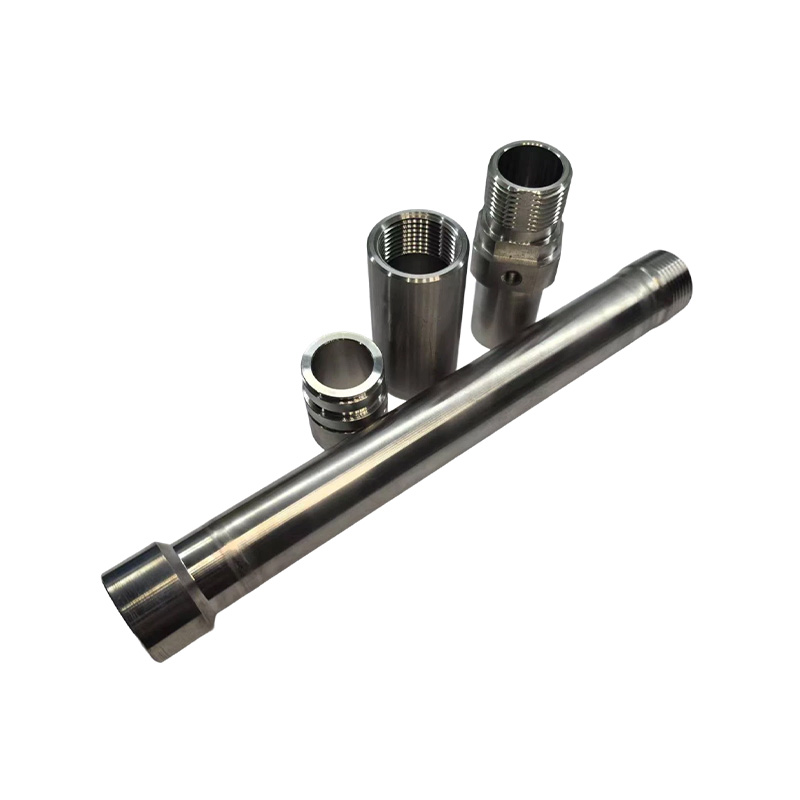
Differentiated substrate compatibility and precise thickness control meet the mechanical and corrosion protection needs of various scenarios. The galvanized connectors series covers both iron and stainless steel substrates, with customized electroplating solutions tailored to the characteristics of different materials. Iron tower crane connecting shafts must withstand heavy loads and outdoor weathering. They utilize hot-dip galvanizing, achieving a coating thickness of tens of micrometers. The zinc layer forms a metallurgical bond with the iron substrate, resulting in strong adhesion and excellent wear resistance. Even under the vibrations of frequent tower crane lifting, the coating is not easily peeled off, ensuring long-term stable operation of the connecting shaft in extreme environments such as deserts and coastal areas. While stainless steel water heater connectors inherently possess some corrosion resistance, a nickel-zinc electroplating composite process forms a denser protective layer on the stainless steel surface, further enhancing resistance to chloride ion corrosion. This prevents intergranular corrosion caused by the high salinity of coastal waters, while maintaining the connector's bright appearance, perfectly matching kitchen and bathroom décor.
Rigorous environmental testing and multi-functional integration broaden the application scenarios of connectors. Galvanized connectors undergo rigorous testing, including salt spray tests, high-temperature and high-humidity cycling, and pressure pulse tests, simulating real-world conditions such as continuous hot water supply from water heaters, frequent start-stop cycles of gas appliances, and outdoor exposure to sunlight from tower cranes. In salt spray testing, white zinc salts gradually formed on the surface of the galvanized connector, but no red rust appeared on the substrate, and the sealing performance remained unaffected. During high-temperature and high-humidity cycling, the plating showed no blistering or peeling, demonstrating its excellent thermal stability. These characteristics make it suitable not only for household appliances such as water heaters and gas appliances, but also for applications in automotive fuel lines and industrial hydraulic systems. In automotive fuel connectors, the galvanized layer can withstand corrosion from sulfides in gasoline; in industrial hydraulic connectors, the galvanized shell combined with an O-ring seal design provides both corrosion protection and resistance to high-pressure oil impact, achieving versatility.
From proactive corrosion protection with a sacrificial anode to precise adaptation of differentiated substrates, from rigorous environmental testing to multi-functional application expansion, galvanized connectors, with their multi-layer electroplating process at their core, deeply integrate corrosion resistance with mechanical strength and sealing performance. At connection points in both home and industrial applications, they build a "proactive defense, self-repairing" safety barrier, ensuring every connection is a reliable promise.
The multi-layer electroplating process and the "sacrificial anode" mechanism give the connectors a proactive "self-healing" ability against corrosion. Zinc plating is not simply a surface coating; rather, it involves processes such as electroplating zinc and zinc-nickel alloys to form a protective layer on the metal surface with chemical activity higher than that of the substrate. When the plating layer develops minor scratches, zinc preferentially reacts with oxygen and moisture in the environment to form a dense protective film of basic zinc carbonate. This film prevents corrosive media from penetrating the iron substrate. This "self-sacrificing" characteristic ensures that water heater connectors, even in environments with prolonged contact with hot water and steam, continue to prevent internal metal rusting, even with minor surface wear, thus avoiding potential leaks caused by corrosion. For gas appliance connectors, the zinc plating layer is combined with trivalent chromium passivation treatment to form a blue-white or colored passivation film. This enhances salt spray resistance and avoids the toxicity of hexavalent chromium, ensuring no harmful substances are released during gas transmission and protecting household gas safety.
Differentiated substrate compatibility and precise thickness control meet the mechanical and corrosion protection needs of various scenarios. The galvanized connectors series covers both iron and stainless steel substrates, with customized electroplating solutions tailored to the characteristics of different materials. Iron tower crane connecting shafts must withstand heavy loads and outdoor weathering. They utilize hot-dip galvanizing, achieving a coating thickness of tens of micrometers. The zinc layer forms a metallurgical bond with the iron substrate, resulting in strong adhesion and excellent wear resistance. Even under the vibrations of frequent tower crane lifting, the coating is not easily peeled off, ensuring long-term stable operation of the connecting shaft in extreme environments such as deserts and coastal areas. While stainless steel water heater connectors inherently possess some corrosion resistance, a nickel-zinc electroplating composite process forms a denser protective layer on the stainless steel surface, further enhancing resistance to chloride ion corrosion. This prevents intergranular corrosion caused by the high salinity of coastal waters, while maintaining the connector's bright appearance, perfectly matching kitchen and bathroom décor.
Rigorous environmental testing and multi-functional integration broaden the application scenarios of connectors. Galvanized connectors undergo rigorous testing, including salt spray tests, high-temperature and high-humidity cycling, and pressure pulse tests, simulating real-world conditions such as continuous hot water supply from water heaters, frequent start-stop cycles of gas appliances, and outdoor exposure to sunlight from tower cranes. In salt spray testing, white zinc salts gradually formed on the surface of the galvanized connector, but no red rust appeared on the substrate, and the sealing performance remained unaffected. During high-temperature and high-humidity cycling, the plating showed no blistering or peeling, demonstrating its excellent thermal stability. These characteristics make it suitable not only for household appliances such as water heaters and gas appliances, but also for applications in automotive fuel lines and industrial hydraulic systems. In automotive fuel connectors, the galvanized layer can withstand corrosion from sulfides in gasoline; in industrial hydraulic connectors, the galvanized shell combined with an O-ring seal design provides both corrosion protection and resistance to high-pressure oil impact, achieving versatility.
From proactive corrosion protection with a sacrificial anode to precise adaptation of differentiated substrates, from rigorous environmental testing to multi-functional application expansion, galvanized connectors, with their multi-layer electroplating process at their core, deeply integrate corrosion resistance with mechanical strength and sealing performance. At connection points in both home and industrial applications, they build a "proactive defense, self-repairing" safety barrier, ensuring every connection is a reliable promise.